Water damage is a significant concern for homeowners in Everett, Washington. It can lead to various problems, including mold growth, which can threaten both the integrity of your home and your health. Understanding the connection between water damage and mold is crucial for homeowners looking to protect their properties. This article will explore how water damage causes mold, signs to look out for, prevention methods, and when to seek professional help.
Understanding Water Damage
Water damage can occur in many forms, including leaks, flooding, and condensation. In Everett, homes are particularly susceptible to water damage due to the region's rainy climate. Common sources of water damage include:
- Roof leaks
- Broken pipes
- Appliance malfunctions
- Flooding from heavy rain
- High humidity levels
Each of these issues can introduce excess moisture into your home, creating an environment conducive to mold growth. If not addressed promptly, even minor leaks can lead to significant water damage.
How Water Damage Leads to Mold
Mold spores are present in the air and can enter your home through windows, doors, and ventilation systems. When water damage occurs, it provides the moisture that mold spores need to thrive. Mold typically begins to grow within 24 to 48 hours after water exposure. The following factors influence mold growth:
- Moisture level: Mold requires a relative humidity level of 60% or higher to grow.
- Temperature: Mold thrives in warm environments, particularly between 77°F and 86°F.
- Food source: Mold can grow on various materials, including wood, drywall, and carpet.
In Everett, the combination of high humidity and frequent rainfall means that homes are at a higher risk for water damage and subsequent mold growth.
Signs of Mold Growth
Identifying mold growth early can save you from extensive damage and costly repairs. Look for the following signs:
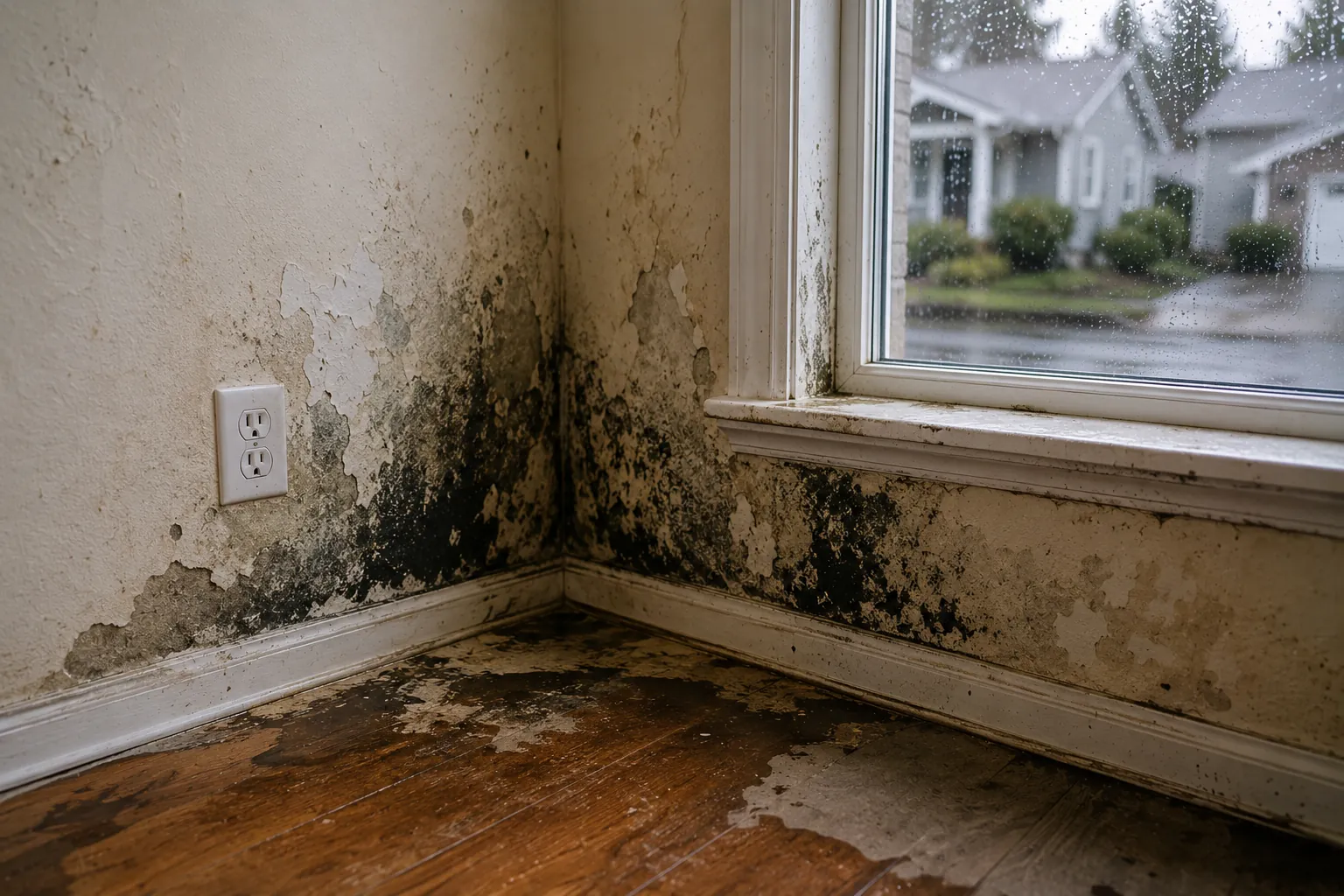
- Visible mold: Black, green, or white spots on walls, ceilings, or floors.
- Musty odor: A persistent damp smell is often a sign of mold.
- Water stains: Discoloration on walls or ceilings can indicate hidden mold.
- Health issues: Allergies, respiratory problems, or unexplained illnesses may worsen in mold-infested areas.
If you notice any of these signs, it's essential to address the issue immediately to prevent further damage.
Preventing Mold After Water Damage
Once water damage occurs, swift action is crucial to prevent mold growth. Here are some effective prevention strategies:
- Dry the area: Use fans and dehumidifiers to dry out wet areas within 24-48 hours.
- Remove damaged materials: Dispose of items like carpets or drywall that can't be dried properly.
- Repair leaks: Fix any leaks in roofs, pipes, or appliances immediately.
- Improve ventilation: Ensure proper airflow in areas prone to moisture, such as bathrooms and kitchens.
- Monitor humidity: Keep indoor humidity below 60% using dehumidifiers if necessary.
For residents in Everett, implementing these strategies can significantly reduce the risk of mold growth after experiencing water damage.
Common Mistakes to Avoid
When dealing with water damage, homeowners often make mistakes that can exacerbate the problem. Here are some common pitfalls to avoid:
- Ignoring small leaks: Small leaks can lead to significant water damage if left unaddressed.
- Delaying cleanup: The longer you wait to dry out a wet area, the higher the risk of mold growth.
- Using bleach on mold: While bleach can kill surface mold, it doesn't penetrate porous materials where mold roots may exist.
- Not calling professionals: Attempting to handle severe water damage without expertise can lead to further complications.
When to Call a Professional
If you encounter significant water damage or mold growth, it's best to call a professional. Everett Water Damage Experts can assess the situation and provide the necessary water damage restoration Everett services to ensure your home is safe and mold-free. Professional help is essential when you notice extensive mold, persistent odors, or if the water damage is beyond your control.
Frequently Asked Questions
1. Can mold grow without water damage?
Mold needs moisture to grow, so while it can exist in dry conditions, it requires water damage to thrive and spread.
2. How long does it take for mold to appear after water damage?
Mold can start to grow within 24 to 48 hours after water exposure, making prompt action crucial.
3. Is all mold dangerous?
Not all mold is harmful, but some types can cause health issues, especially for people with allergies or respiratory conditions.
4. How can I prevent mold after a flood?
Immediately dry the affected area, remove damaged materials, and use dehumidifiers to reduce moisture levels.
5. Should I clean mold myself?
Small areas of mold can be cleaned with proper precautions, but larger infestations should be handled by professionals like Everett Water Damage Experts.
Get Help with Water Damage in Everett
If you are dealing with water damage in your home, don't wait until it leads to mold growth. Contact us today for expert assistance in restoring your home and preventing further issues. Call us at +14254339848.